Catfish Font: Playful & Professional
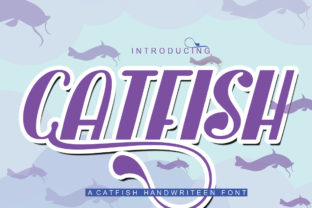
As a small business owner, I know how important it is to create a brand that feels consistent and professional. That’s why I’ve been using Catfish, a script font with extraordinary swashes, to elevate my design projects. Whether it's for logos, social media posts, or packaging, Catfish brings a unique personality that helps my brand stand out.
What Makes Catfish Unique?
Catfish is more than just a font—it's a creative tool that adds flair to any project. Its playful and fun style makes it perfect for businesses that want to convey a sense of energy and creativity. The swashes are elegant yet bold, giving your designs a handcrafted feel without being too complicated.
This script font has a friendly and approachable mood, which makes it ideal for brands targeting a younger or more casual audience. It works well in both digital and print formats, making it versatile for all kinds of business materials.
Real-World Applications for Catfish
I've used Catfish on everything from my bakery's logo to product labels and social media graphics. For example, when designing a custom label for handmade candles, the font added a personal touch that made the product feel more authentic and inviting.
Another time, I used it on a thank-you card for customers who purchased my online shop products. The font gave the message a warm and thoughtful tone, which helped build a stronger connection with my audience.
Catfish also works great as a headline font on website banners and digital ads. Its expressive nature draws attention while still maintaining readability, which is essential for marketing content that needs to be seen quickly.
When to Use Catfish
Catfish shines as a display or accent font. It's best used for headlines, logos, or short phrases where you want to make an impact. However, it's not ideal for long blocks of text due to its intricate details, which can reduce legibility.
For instance, I pair it with a clean sans serif font like Arial or Helvetica for body text. This combination keeps the design looking professional while allowing the script font to stand out where it matters most—like in headlines or branding elements.
It's also great for creating visual hierarchy. Using Catfish for your main logo and a simpler font for supporting text helps guide the viewer's eye and makes your brand materials more organized and easy to read.
Readability Considerations
One thing I always check before using a new font is how it looks in different sizes and formats. Catfish is readable at larger sizes, which makes it perfect for headers and titles. But when used in smaller sizes, such as on product labels or mobile screens, the swashes can become less clear.
To avoid this, I test the font in real-world scenarios. For example, I print out a sample label with Catfish to see how it looks when viewed up close. I also check how it appears on social media thumbnails, where clarity is key for quick recognition.
If you're using Catfish for printed packaging, make sure it's set at a size that allows the details to remain visible. For digital use, consider adjusting the spacing slightly to ensure the font doesn't look cramped on screens.
Testing Catfish Before Full Implementation
Before committing to a font for your entire brand, I recommend testing it across different materials. Start with one or two key assets, like a logo or social media post, and see how it performs in practice.
Ask friends or colleagues for their feedback. Do they find the font appealing? Does it match the tone of your brand? These insights can help you decide if Catfish is the right choice for your business.
Also, check how it looks on different devices. A font that looks great on a desktop might not translate well to a mobile screen, so it's important to test across platforms.
Font Pairing Tips
Pairing Catfish with other fonts can help balance its decorative style with more functional typefaces. For example, pairing it with a modern sans serif like Roboto or Open Sans creates a clean and professional look that works well for websites and marketing materials.
If you're going for a more classic feel, try combining Catfish with a serif font like Georgia or Times New Roman. This pairing gives your designs a timeless and elegant appearance, which is great for boutique or artisanal brands.
The key is to maintain contrast. If your brand uses a lot of bold or decorative elements, using a simpler font alongside Catfish can prevent the design from feeling overwhelming.
Commercial Licensing and Usage
Before using Catfish on anything that will be sold or distributed, make sure you understand the commercial licensing terms. Some fonts have restrictions on how they can be used, especially if you're creating products, packaging, or templates for others.
As a small business owner, I always double-check the license to avoid any legal issues. This includes checking if the font can be used on merchandise, client work, or digital downloads. Understanding these terms helps me use the font confidently and responsibly.
By choosing the right font and using it appropriately, you can create a brand that feels cohesive, professional, and memorable. Catfish is a great option for businesses looking to add a touch of personality while maintaining a polished appearance.